
Quick answer: Around 5 million UK adults have undiagnosed high blood pressure. Normal is under 120/80; hypertension is 140/90 or above. Lifestyle changes are first-line treatment, with medication added when needed — and it’s one of the most treatable risk factors for heart disease we have.
What is high blood pressure?
So what is blood pressure? In simple terms, it is the force with which the heart beats and the resistance against which the heart pumps and the blood flows, and is related to a number of factors.
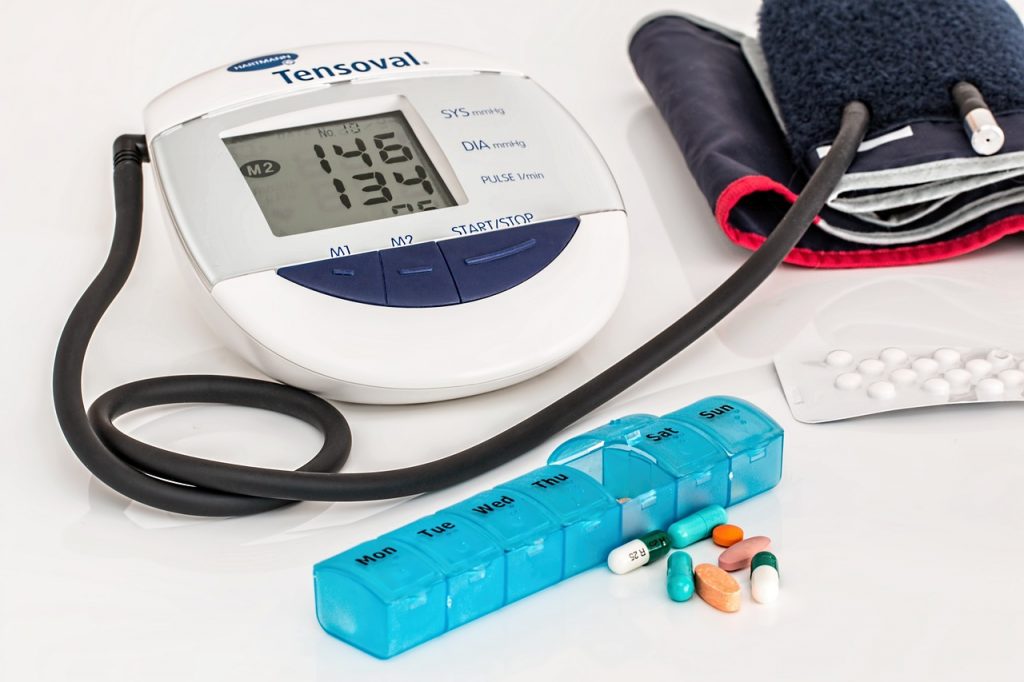
It invariably rises as we get older, in simple terms due to hardening of the arteries in the body. When it gets higher however, it doesn’t usually cause symptoms. This is a problem, and it is important to recognise high blood pressure as untreated can cause a number of potentially serious consequences such as heart attacks and strokes. If blood pressure gets very high it can cause symptoms, particularly headaches, but also chest pain and breathlessness.
It is estimated that as many as 5 million adults in the UK have undiagnosed hypertension, so it is really important to know yours! There are some groups of people more likely to experience hypertension than others, for example: Males tend to be more affected than females; older people (as above), being overweight or pregnant. The thresholds for treatment are also different in diabetics.
What do the numbers mean?
When you have your blood pressure measured, you get two numbers: the higher is called systolic, and the lower diastolic for example 120/80. It is measured in units called millimetres of mercury (mmHg). The systolic pressure is the point of maximum squeeze in the system, and diastolic pressure is when the heart is ‘relaxed’ before giving another squeeze. Normal blood pressure is a systolic below 120 and diastolic below 80, but those numbers rise with age.
What is hypertension?
Doctors call elevated blood pressure hypertension. If the blood pressure is between 140/90 mmHg and 180/120 mmHg, it is often recommended that ambulatory blood pressure monitoring (wearing a monitor throughout the day) is performed to confirm the diagnosis of hypertension. This is because often people have something called ‘white coat hypertension’ which literally means their blood pressure goes up in the presence of a healthcare professional! (not that I’ve worn a white coat since about 2002!)
It is therefore better to check blood pressure at home and remember a few simple rules: Take up to 3 readings spaced a few minutes apart, and use the lowest of these. Don’t take it if you’re in a rush somewhere, or particularly stressed, as it is unlikely to represent a true assessment of your usual blood pressure. If you are already taking blood pressure medication, take the reading at least an hour after your tablets so they have had a chance to work.
The diagnosis of hypertension is confirmed if the clinic blood pressure is 140/90 mmHg or higher and ambulatorydaytime average is 135/85 mmHg or higher, but there
Sometimes people have different blood pressure in each arm, and if that is the case you should use the higher of the two readings. The commonest cause is a narrowing of the artery between the heart and the arm where the blood pressure is being measured.
Causes of high blood pressure
The overwhelming majority of cases of high blood pressure do not have a specific cause, and doctors call this essential hypertension. In some cases however, such as young patients, it is important to exclude so called ‘secondary causes’. Typically this involves checking bloods, urine testing and imaging the kidneys, adrenal glands and aorta, and an electrocardiogram (ECG).
It is a straightforward batch of tests.
It is also good practice at the same time to check for other cardiovascular risks – diabetes, cholesterol in particular, to give a better overall assessment of heart health.
Secondary causes include:
- narrowing in the aorta (called coarctation)
- kidney diseases eg diabetic kidney disease, polycystic kidneys, renal artery narrowing
- endocrinology causes eg. cushing’s syndrome, thyroid disease, conn’s syndrome, phaeochromocytoma, hyperparathyroidism
- pregnancy
- medications and supplements eg some pain killers, some anti-rejection medications for patients with organ transplants, some anti-depressants, some illicit drugs such as cocaine and metamphetamine, some herbal supplements such as ginseng
- Obesity
- Obstructive sleep apnoea
It is important to note this is not a given – ie not all people taking ginseng will have high blood pressure! This list does however give a guide to the conditions I think about when I see a patient with high blood pressure.
The role of an echocardiogram
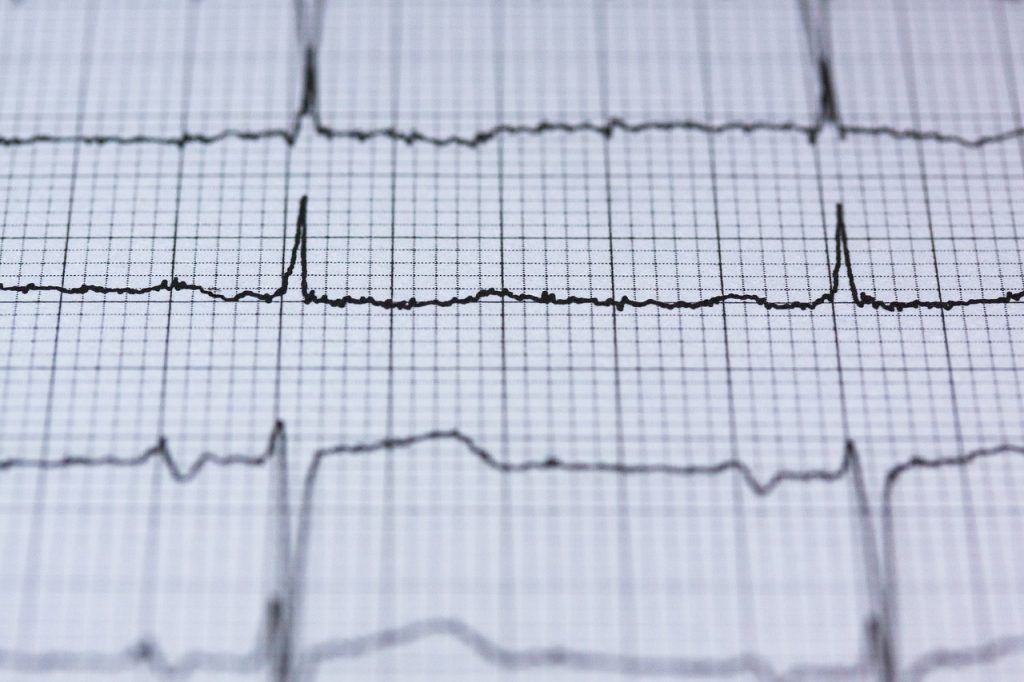
An ultrasound of the heart (echocardiogram) can be useful in patients with high blood pressure for a number of reasons. Firstly, in some patients it can be useful to exclude certain secondary causes. It is also useful to assess the consequences of high blood pressure. If a patient has had significant high blood pressure for some time, the heart has extra work to do to pump blood around the body, because the resistance in the arteries is higher. The heart is a muscle, and in the same way that if you go to the gym and work on your biceps they get bigger, if your heart is working out too much it gets thicker too. This can be measured using echocardiography.
Using the same analogy, if you stop going to the gym and working your biceps out they will get smaller again. If you have a thickened heart muscle, but then get your blood pressure very well treated, over months the heart can ‘re-model’ and get smaller again!
Complications of high blood pressure
Prolonged high blood pressure is associated with, or can cause, a variety of complications. These include:
- Damage to the arteries – anywhere in the body, but of particular concern are heart, kidney, eye, brain and leg arteries.
- Aneurysms (please see separate section on aneurysms in past blogs)
- Heart failure – due to the heart ‘working overtime’ for too long
- Visual impairment or loss
- Metabolic syndrome
- Cognitive impairment
Emergency situations
A ‘hypertensive crisis’ is when a person has a systolic >200 and a diastolic >120, and is a medical emergency which should be urgently assessed by a doctor. This is due to the increased risk of a stroke.
Low blood pressure
Low blood pressure can be harder to define, as will be different for different people. I would tend to say under 110 / 70 mmHg is low. Also, patients for example who have had a heart attack or heart failure are often on medication which will lower their blood pressure, even if they don’t have high blood pressure. It is particularly common for young adults to have low blood pressure, and also people who take a lot of exercise.
Low blood pressure may be associated with symptoms such as dizziness, particularly on standing. Common advice in such a scenario is to drink plenty of fluids. Sometimes support stockings can be tried, and on rarer occasions medication prescribed.
Stages of hypertension
Blood pressure is a spectrum, and so is often split into stages as a guide to severity, These are:
- Stage 1 hypertension
Clinic blood pressure ranging from 140/90 mmHg to 159/99 mmHg and subsequent ambulatory / home measured daytime average ranging from 135/85 mmHg to 149/94 mmHg.
- Stage 2 hypertension
Clinic blood pressure of 160/100 mmHg or higher but less than 180/120 mmHg and subsequent ambulatory / home measured daytime average blood pressure of 150/95 mmHg or higher.
- Stage 3 or severe hypertension
Clinic systolic blood pressure of 180 mmHg or higher or clinic diastolic blood pressure of 120 mmHg or higher.
Treatment of high blood pressure
When to treat?
This is a tricky one.
The national guidelines at the time of writing suggest treating with medication (in addition to lifestyle advice) in adults aged under 80 with persistent stage 1 hypertension who have 1 or more of the following:
- target organ damage
- established cardiovascular disease
- kidney disease
- diabetes
- an estimated 10‑year risk of cardiovascular disease of 10% or more
If over 80 years old, treat if >150/90.
However, in my view this is perhaps too lenient. The analogy I like to use is that of smoking: would a doctor wait until a patient has a 10 year risk of lung cancer before suggesting they quit cigarettes? No
I run a rapid access heart failure clinic every week for patients suspected of having heart failure, and in many cases it is clear to me that the cause has been mild elevation in blood pressure, but sustained for many years such that it has caused heart failure. Nearly all medical trials in the blood pressure space suggest lower and lower treatment targets the more we understand about it.
How to treat?

Lifestyle
Lifestyle
Lifestyle
I totally accept I am rather like a stuck record on this, but tackling lifestyle factors is crucially important. The difference that can be made with better choices is enormous. Things to consider are:
Maintaining a healthy weight
Did you know, that losing even 5-10 lbs, or 2-5 kg can be as effective in treating blood pressure as a medication? I want to emphasise that doesn’t mean people can stop taking their medication if they lose weight, but that can be possible, and it is certainly common to be on lower doses or stop one medication if they are on more than one. Do not stop prescribed medication without consulting a doctor. Weight loss can also hugely help with sleep, and in patients with sleep apnoea this can have a cumulative positive effect on blood pressure.
My younger brother was diagnosed with high blood pressure in his 30s. Rather worryingly, he had seen his GP about something unrelated, and had his blood pressure taken. It was up a bit, and so he was called back for another measurement a few weeks later. It was still up a bit, but rather than looking too much into the cause (and in someone that age you should always investigate the cause), he was put straight onto tablets. He had always struggled with his weight, and when he called me to explain what had happened, I suggested as well as getting referred to a cardiologist for tests, it was high time he took more care of himself and lost some weight. I was very proud of him when he shed it through diet and exercise, and his blood pressure came down with it.
Eating healthy foods.

Try the Dietary Approaches to Stop Hypertension (DASH) diet, which emphasizes fruits, vegetables, whole grains and low-fat dairy foods. Get plenty of potassium, which is found in fruits and vegetables such as potatoes, spinach, bananas and apricots, to help prevent and control high blood pressure. Eat less saturated fat and total fat.
Decreasing salt in the diet. A lower sodium intake — 1,500 milligrams (mg) a day — is appropriate for people 51 years of age and older and for people of any age who are Black or who have hypertension, diabetes or chronic kidney disease. Otherwise healthy people can aim for 2,300 milligrams (mg) a day or less. Remember in addition to adding salt to your food on the plate or in cooking yourself, there is often a huge amount of salt hidden in processed foods such as ready meals.
Exercise
Regular physical activity can help lower blood pressure and keep weight under control. I have a whole section on exercise on my website so check it out!
Limiting alcohol
Even if you’re healthy, alcohol can raise your blood pressure. Adhere to current government guidance, and remember also that there are often a lot of ‘empty calories’ in alcohol, making it harder to lose weight.
Not smoking
Tobacco injures blood vessel walls (called the endothelium) and speeds up the process of hardening of the arteries which in turn raises blood pressure. If you smoke, ask your GP to help you quit.
Managing stress

Regular readers of my emails, or indeed many of my patients will know I am a huge believer in stress reduction. I feel that exercising the mind in this regard is as important as exercising the body. In fact, what is now known as mindfulness was previously called stress reduction therapy in the USA. A few years ago I used to think this was ‘hippy rubbish’. I think most cardiologists would identify with ‘type A’ personality traits, but I have done a complete 180 on my views on meditation and its usefulness in a range of medical scenarios, including heart disease. There is an increasing evidence place for it, and in fact many of the people who benefit the most are ‘type A’ people like myself. I meditate daily for 5-10 minutes at least, and have seen huge benefits in stress reduction. It also helps my sleep, which is invaluable. Check out my sleep section elsewhere on the website.
Medication for high blood pressure
If medication is needed for high blood pressure, there is a huge variety to choose from. In the UK we often prescribe generic medication names, but remember there may be trade names for certain drugs. There are some general principles doctors consider when deciding which drug to start, often based on the age of the patient, ethnicity (some drugs work better in some populations than others) and kidney function.
Common types of medications include
- Angiotensin converting enzyme (ACE) inhibitors – often names ending in ‘pril’ eg ramipril. They work by blocking the formation of a natural chemical that constricts blood pressures. They are also very good for treating heart failure. Common side effects include a cough, and the first few times a patient takes them can cause dizziness so I always ask patients to start them when they are due to have a quiet day. They don’t work as well in Black patients, but are effective when combined with drugs called thiazide diuretics. These should not be used by pregnant women.
- Angiotensin receptor blockers (ARB) – these work slightly downstream from the chemical pathway ACE inhibitors work on, and so relax blood vessels. Drugs often end in ‘sartan’ eg candesartan. They don’t cause a cough. They can be used in heart failure, but are not as good for that as ACE inhibitors. Also not to be used when pregnant.
- Calcium channel blockers – these relax the smooth muscle in the walls of arteries, and some types also slow the heart rate. Names end in ‘pine’ eg amlodipine. They are often well tolerated, but in some patients can cause water retention, and should not be used in heart failure.
- Beta-blockers – no longer used as first line treatment for high blood pressure, but can sometimes be used as a useful adjunct, especially if it would help that patient to have a lower heart rate (as they bring it down). Side effects may include fatigue, sleep disturbance, wheeze if asthmatic, cold hands and feet and reduced libido, but are generally well managed. Some of these are very useful in heart failure. They are less effective in Black patients. Should be used with caution in pregnancy.
- Thiazide diuretics – one of a number of types of diuretics, these cause sodium and water loss in the kidney, and are often very effective blood pressure medication. They are useful for symptom control in heart failure patients who also have high blood pressure despite usual treatment. Side effects can include leg cramps.
If one medication is not controlling the blood pressure on its own, it is often necessary to combine it with another drug with a different mechanism of action. This can be very effective, often more so than simply increasing a dose. In some cases combination drugs are available too for ease of taking.
I do hope you have found this interesting and useful!
Summary
- As an adult, know your blood pressure and check it regularly
- High blood pressure is very common, and often has no symptoms initially
- Most patients have no specific cause for high blood pressure, but there are a number of secondary causes that should be excluded in some cases
- Lifestyle factors are important modifiable risks for developing high blood pressure, and should always be the first port of call for treatment
- Untreated high blood pressure can cause a number of severe health problems – even modest elevation in blood pressure when sustained for many years can have serious consequences
- Many safe, effective medications are available
Martin Le Cocq
says:Nice to read a’down to earth’ guide. Thanks
Delia L Matthews
says:Thank you for this comprehensive guide, especially the facts around blood pressure. Dr Google can be so varied and confusing to the lay person. It is good getting it from an expert in the field. Thank you Chris.
David McFarland
says:Very informative, written in plain English and easily understood.
Dr Chris Critoph
says:Thanks for the feedback! Glad it was useful, Chris